Small Space Organization Ideas to Make Your Home Feel Bigger
Table of Contents
Small Space Organization
A compact home can still feel comfortable and stylish. With effective small space organization, you can create an open, airy sanctuary. You can enjoy a useful lifestyle without a larger floor plan.
This guide shares practical ways to use your square footage well. It includes decluttering tips, vertical storage hacks, and design choices that improve visual flow. You will learn to organize daily items and clear surfaces for a calmer home.
Small changes can bring strong results. Better habits and smart storage tools can help you reclaim each room. Together, they can make your current residence a highly efficient home that meets all your needs.
Key Takeaways
- Focus on vertical storage to keep floor areas clear and open.
- Apply consistent decluttering tips to maintain a tidy environment.
- Use multi-functional furniture to serve dual purposes in tight areas.
- Clear flat surfaces to reduce visual noise and improve room flow.
- Prioritize items you use daily to keep essential tools within reach.
Small Space Organization: Start by Decluttering What You Do Not Need
Organizing small spaces starts with an honest look at what you own. Remove broken, unused, or duplicate items to give your home room to breathe.
Sort Belongings by Use, Frequency, and Condition
Sort items by how often you use them. Daily essentials belong in easy-to-reach places, while seasonal items can go on high shelves or in bins. Be ruthless with damaged gear; if repairs cannot fix it, let it go.
Use the One-In, One-Out Rule to Control Clutter
Use the one-in, one-out rule for every new purchase. When you bring something home, donate or discard an older item of similar size. This habit keeps clutter from undoing your work organizing small spaces.
Clear Visual Surfaces to Create an Open Feel
Countertops, tables, and nightstands draw attention in every room. Mail, keys, and gadgets make these surfaces feel crowded and chaotic. Clear them for an immediate sense of openness and calm, making your home feel larger.
Prioritize Items That Support Your Daily Routine
Give limited storage to items that support your daily routine. If you use something less than once a week, it may not need a prime shelf. Use this guide to decide what stays and what goes.
| Item Category | Frequency of Use | Action Required |
|---|---|---|
| Daily Essentials | Every Day | Keep in Prime Location |
| Occasional Tools | Monthly | Store in Bins/Closets |
| Broken/Unused | Never | Donate or Recycle |
| Sentimental Items | Rarely | Limit to One Box |
Apply these principles often, and organizing small spaces becomes a manageable habit instead of a daunting chore. Focusing on quality over quantity ensures every item serves a clear purpose.
Maximize Vertical Space in Every Room
When floor space is limited, look up to expand your home. By maximizing storage vertically, you save floor area for books, kitchenware, and bathroom essentials. This keeps your home open instead of cluttered.
Install Wall-Mounted Shelves Without Overcrowding the Room
Wall-mounted shelves display items without using valuable floor space. Avoid covering every inch of your walls to keep the room looking clean. Use Strategic placement: keep daily items at eye level and seasonal goods on higher shelves.
Use the Space Above Doors, Cabinets, and Toilets
Many homeowners overlook empty spaces above doorways and tall cabinets. Store items you rarely need there, such as extra linens or specialized kitchen tools. The space above a toilet can hold a slim shelf or cabinet for toiletries.
Choose Tall Furniture Instead of Wide Storage Pieces
When choosing storage, favor height over width to keep your floor plan airy. A tall, narrow bookcase or floor-to-ceiling wardrobe adds capacity without taking much floor space. This method of maximizing storage keeps walkways clear and improves your home’s flow.
Organize Frequently Used Items on Pegboards and Hooks
Pegboards and hooks keep frequently used items within easy reach. Install them in kitchens for utensils, entryways for bags, or craft rooms for tools. Moving these items off counters and tables creates a more organized, useful workspace.
| Storage Solution | Best Room | Primary Benefit |
|---|---|---|
| Wall Shelves | Living Room | Visual appeal and maximizing storage |
| Over-Door Racks | Bedroom/Bath | Utilizes dead space |
| Tall Cabinets | Kitchen/Office | High volume capacity |
| Pegboards | Kitchen/Garage | Quick access to tools |
Choose Compact Storage Solutions That Work Harder
You can transform your living area with compact storage solutions that work harder. When floor space is limited, each furniture piece should serve more than one purpose. Choose items that hide belongings and keep the room clean and inviting.
Use Storage Ottomans, Benches, and Beds With Built-In Compartments
Furniture with hidden storage can change how small apartments feel. A storage ottoman provides a comfortable footrest and hides blankets or books. Benches with internal compartments offer guest seating without using extra square footage.
Consider upgrading your bed frame with built-in drawers or a lift-up mechanism. This uses the large, often wasted space beneath your mattress. It offers an efficient way to store items you do not need each day.
Improve Closet Capacity With Slim Hangers and Tiered Organizers
Closets can become cluttered quickly, but slim, velvet-covered hangers can double your hanging space. Their thin profiles stop clothes from slipping and fit more garments on one rod. Tiered organizers also stack shirts or pants vertically.
Separate Drawers and Cabinets With Bins, Dividers, and Turntables
Organizing small items inside drawers prevents the “junk drawer” effect. Use adjustable dividers to create custom spaces for accessories or office supplies. Turntables, or “lazy Susans,” suit deep cabinets because they bring items forward with one spin.
Store Seasonal Items in Labeled Under-Bed Containers
Seasonal clothing and holiday decor often fill valuable shelf space. Use low-profile, labeled under-bed containers to protect these items and keep them out of the way. Clear plastic bins show what is inside, making it easy to retrieve your belongings when the season changes.
Use Foldable and Nesting Items in Kitchens and Bathrooms
Kitchens and bathrooms benefit from foldable and nesting products. Collapsible colanders and nesting mixing bowls save valuable cabinet space. These compact storage solutions keep surfaces clear and functional.
| Storage Tool | Primary Benefit | Best Room |
|---|---|---|
| Storage Ottoman | Hidden seating storage | Living Room |
| Slim Hangers | Increased rod capacity | Bedroom Closet |
| Turntables | Easy access to items | Kitchen Pantry |
| Nesting Bowls | Space-saving design | Kitchen |
Organize Each Room for an Efficient Use of Space
A functional home starts when you organize each room for an efficient use of space. Assigning zones to daily activities keeps clutter from spreading between areas. This layout limits extra movement and helps your home run smoothly.
Create Clear Zones in a Small Living Room
Use area rugs or furniture to separate a reading nook from your entertainment area. Avoid mixing functions by keeping work items away from your relaxation space. This separation helps your brain switch activities more easily.
Make a Compact Kitchen Easier to Work In
An efficient use of space in the kitchen begins with the “work triangle” concept. Keep common tools, such as spatulas and cutting boards, near your main prep area. Store items where you use them to save time and prevent countertop chaos.
Keep a Small Bedroom Calm and Functional
Keep your bedroom peaceful by removing non-essential items from surfaces. Use bedside tables with drawers to store chargers and books. Prioritizing a clean visual field helps you relax after a long day.
Use Door-Back and Corner Storage in the Bathroom
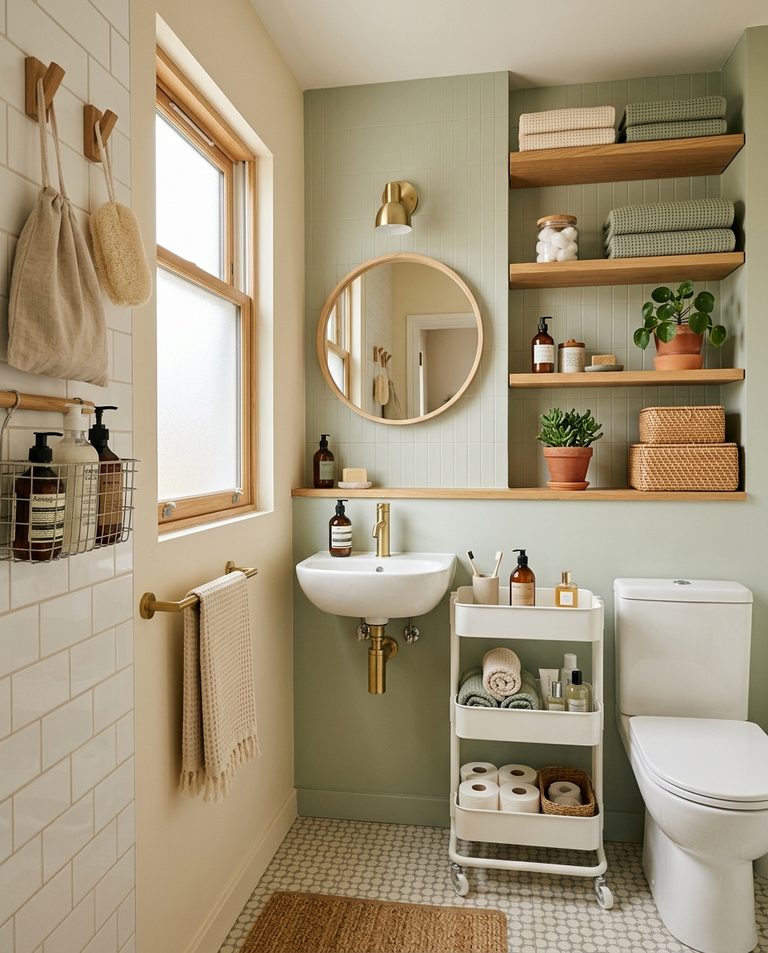
Bathrooms often have little floor space, so vertical storage is essential. Install over-the-door organizers for hair tools and cleaning supplies to clear your vanity. Corner shelving units hold toiletries without blocking your path.
Build an Organized Entryway With Hooks, Baskets, and Shoe Storage
The entryway connects your home’s spaces, so it needs a dedicated system. Use wall-mounted hooks for coats and baskets for mail to ensure an efficient use of space. A slim shoe rack keeps clutter from piling up near the door.
Maintain Order in a Small Home Office or Shared Workspace
Keep your workspace productive by leaving only current-task items on your desk. Use vertical file folders or wall-mounted boards to clear the surface. Consistency is key to stopping paper piles from taking over shared areas.
| Room | Primary Storage Tool | Benefit |
|---|---|---|
| Living Room | Area Rugs/Dividers | Defines activity zones |
| Kitchen | Drawer Dividers | Reduces prep time |
| Bathroom | Door Organizers | Maximizes vertical area |
| Entryway | Wall Hooks | Prevents floor clutter |
Apply Space-Saving Design Ideas to Make Rooms Feel Larger
An open home balances useful storage with smart visual choices. Effective space-saving solutions change how a room works and looks. These small space design ideas use every inch while keeping the room clean and airy.
Choose Furniture That Fits the Room and Serves Multiple Purposes
Choose furniture that fits your layout and serves more than one purpose. Try a coffee table with hidden storage or a sofa bed for guests. Scale is everything; avoid oversized pieces that crowd the floor and make rooms feel cramped.
Keep Walkways Clear to Improve Flow and Visual Space
Free movement through a room can make it seem larger. Keep main paths clear so the space feels inviting, not cluttered. By prioritizing clear sightlines, you help the eye cross the room and create extra visual space.
Use Light Colors, Mirrors, and Consistent Materials Strategically
Light colors reflect natural light and make walls seem farther away. Mirrors can also double the visual depth of a compact area. Using consistent materials unifies furniture and decor, so small rooms feel less busy.
Reduce Visual Noise With Matching Containers and Concealed Storage
Clutter can make a home feel smaller. Use matching bins to hide everyday items and create a unified look. Concealed storage keeps surfaces clear and reduces visual noise.
Arrange Furniture to Preserve Natural Light and Sightlines
Place furniture away from windows and doorways. Natural light can make a room feel brighter and more spacious. Open sightlines create a seamless transition between different areas of your home.
| Design Strategy | Primary Benefit | Impact on Space |
|---|---|---|
| Multipurpose Furniture | Efficiency | Reduces furniture count |
| Light Color Palette | Reflectivity | Increases perceived depth |
| Concealed Storage | Order | Eliminates visual clutter |
| Strategic Mirror Use | Illusion | Expands sightlines |
Conclusion
Mastering tiny space organization starts with changing how you see your daily surroundings. Remove excess items before arranging your belongings to gain control.
Effective tiny space organization uses vertical areas and furniture with multiple purposes. Create calm by giving each activity a specific zone and keeping walkways clear of clutter.
Consistency is the key to long-term success in your home. Label storage containers and maintain clear sightlines to keep rooms open and bright.
Small changes can greatly improve your quality of life. Start with one drawer or shelf today and see how these habits transform your living area. Your commitment helps keep your home functional and inviting for years.
FAQ
How do I begin the process of organizing small spaces when I feel overwhelmed by clutter?
Start with foundational decluttering tips by sorting belongings by condition and use frequency. Follow the one-in, one-out rule: whenever you bring home an item from Target or Amazon, remove an old one. Prioritize daily-use items and clear your Crate & Barrel coffee table for an open, breathable environment.
What are the best methods for maximizing storage in a room with limited floor area?
When floor space is limited, maximize storage vertically. Install wall-mounted shelves, use a tall IKEA Billy Bookcase, and save rarely used items above doorways or cabinets. In craft rooms or garages, IKEA Skådis pegboards and heavy-duty hooks keep tools and supplies accessible without crowding.
Which compact storage solutions are most effective for a small bedroom or closet?
Choose efficient furniture, including a Pottery Barn storage bed with built-in drawers or a storage ottoman. Switch to Joy Mangano Huggable Hangers, which have a slim profile, and use The Container Store tiered organizers. Label under-bed bins for seasonal clothing to maintain small space organization without sacrificing style.
How can I implement small space design ideas to make my home feel larger than it actually is?
Create visual expansion with space-saving solutions and strategic aesthetics. Use light Benjamin Moore Simply White paint and place large West Elm mirrors opposite windows to reflect natural light. Keep walkways clear, choose furniture with exposed legs, and reduce visual noise with matching Rubbermaid containers and concealed storage.
What is the best way to handle tiny space organization in high-traffic areas like entryways and bathrooms?
For entryways, use a “zone” approach with a wall-mounted mail sorter and command center with hooks for keys and bags. In a small bathroom, use over-the-door racks and corner shelving units for tiny space organization. Use lazy Susans or turntables inside cabinets to keep toiletries organized and reachable and prevent back-of-cabinet clutter in smaller homes.